Safety
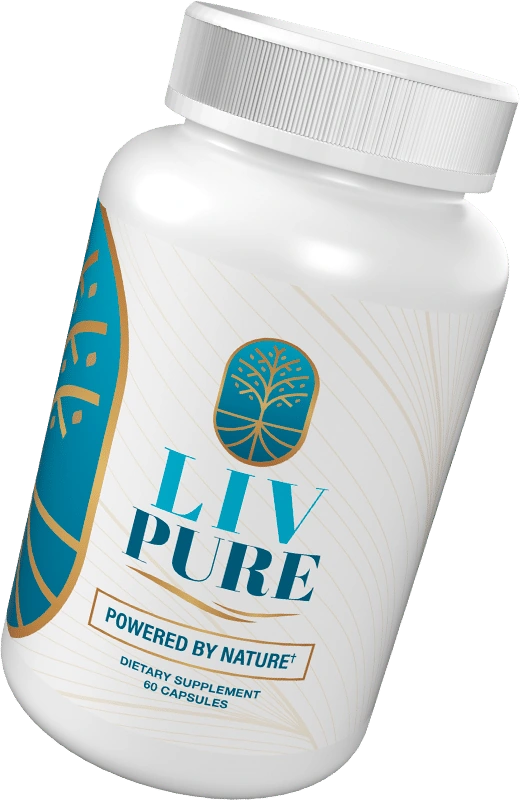
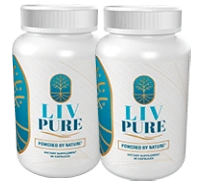
Is Livpure safe? Side effects and interactions
What is known about each of the six, and the one that needs more than a line.
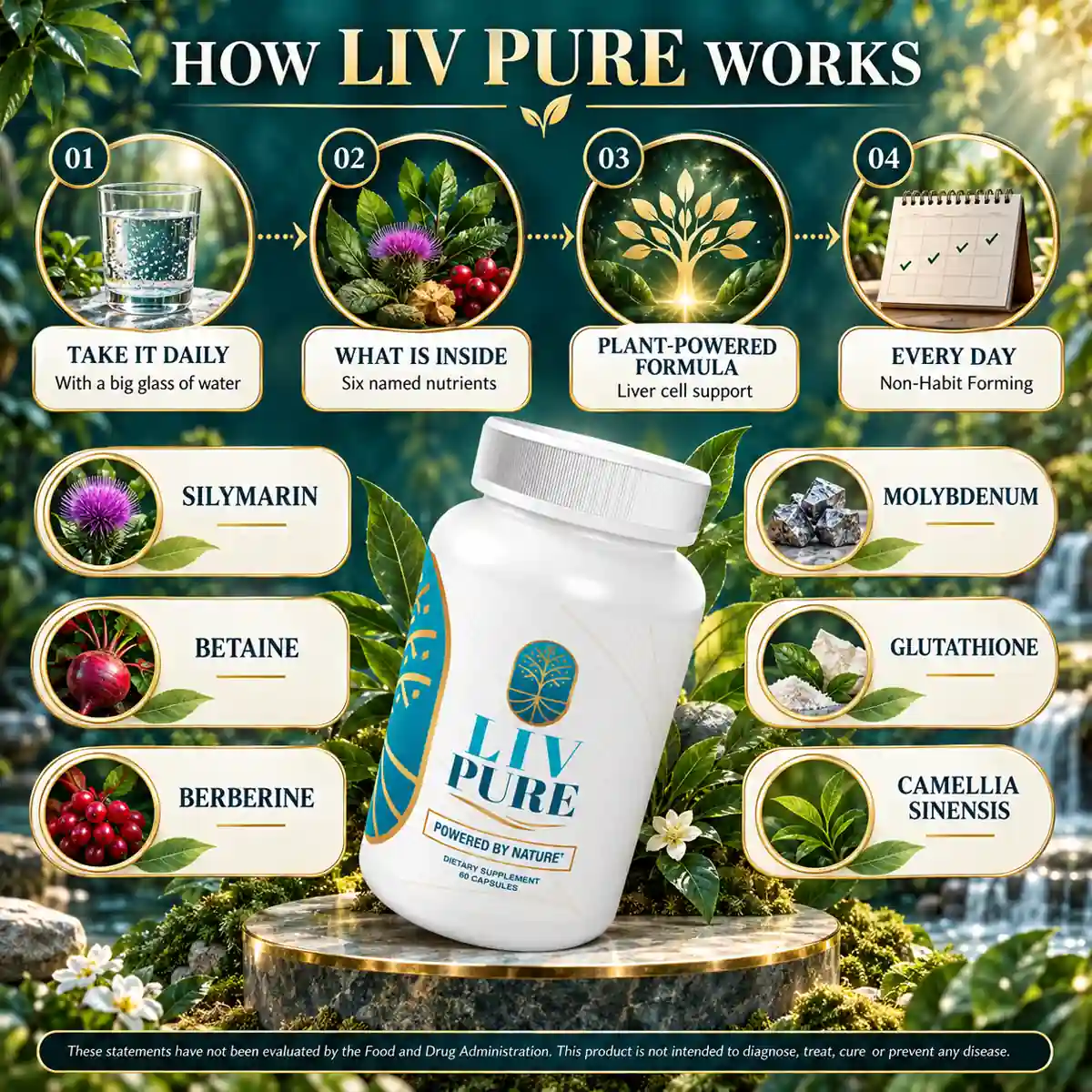
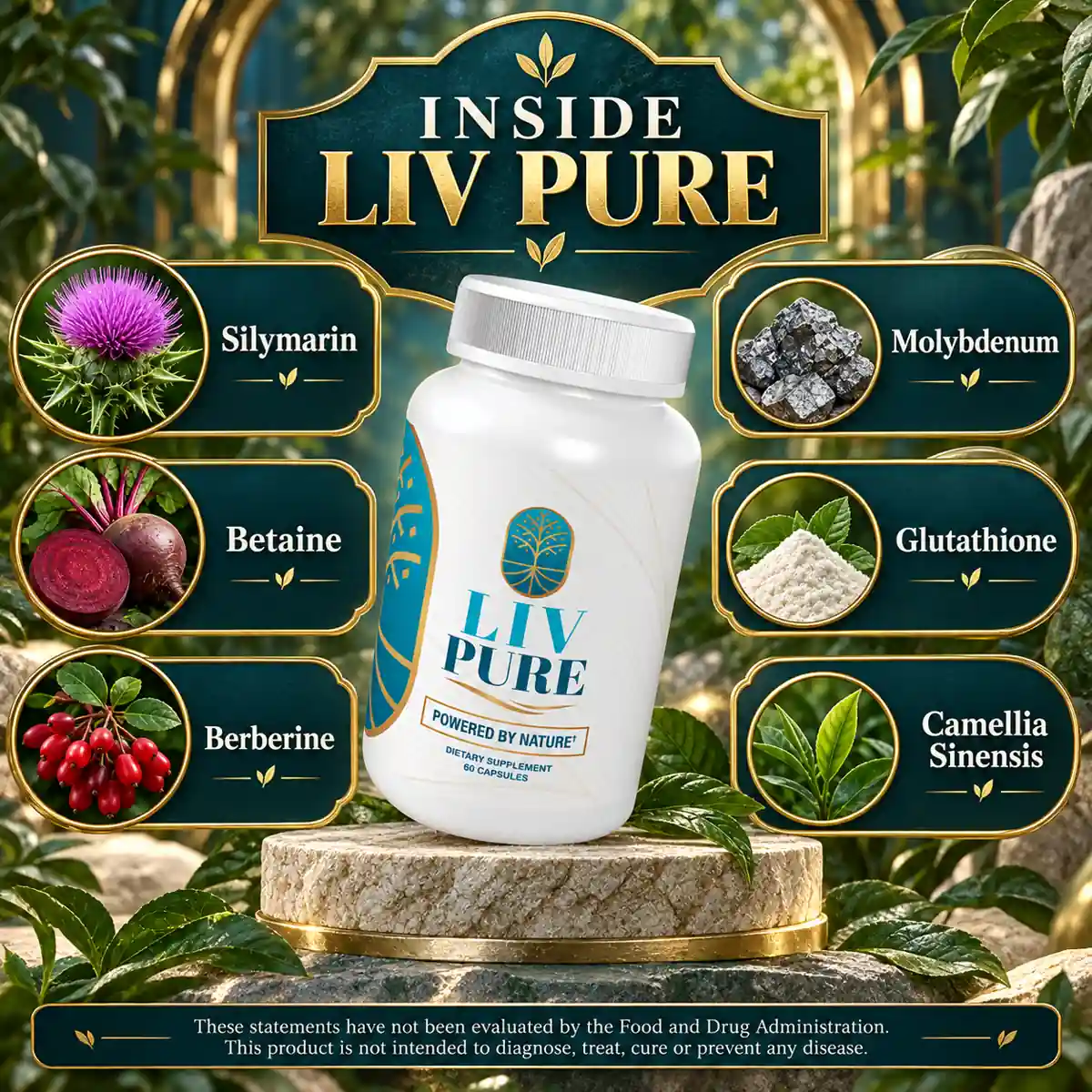
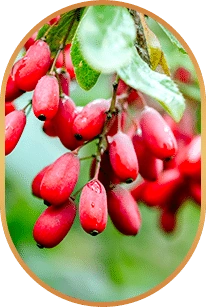
Five of the six have quiet records. LiverTox rates milk thistle an unlikely cause of liver injury, with no clinically significant herb-drug interactions (LiverTox on milk thistle). Betaine has been given at 6 to 20 grams a day without hepatotoxicity (LiverTox), berberine has not been linked to liver injury (LiverTox), and molybdenum has no known medicine interactions (NIH).
The interaction worth naming is berberine’s. At 900 mg a day for two weeks, in healthy men, it inhibited CYP2D6, CYP2C9 and CYP3A4, and midazolam exposure rose 40 per cent (Guo 2012). Those enzymes clear a long list of prescriptions between them, and NCCIH names cyclosporine specifically (NCCIH on berberine). If you take anything daily, hand the bottle to a pharmacist and let them read the six names against your list.
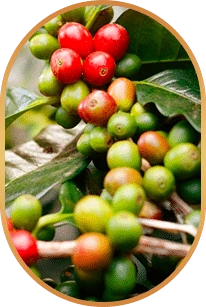
Camellia sinensis needs more than a line, on a product sold for the liver.
Drinking green tea is not the issue. LiverTox is explicit that tea drinking has not been associated with liver injury. The concern is the concentrated extract in tablet and capsule form, and specifically its catechins (NCCIH on green tea).
The record is well established rather than rumoured. LiverTox gives green tea a likelihood score of A, its highest, meaning a well-established cause of clinically apparent liver injury, with more than 100 published cases. Injury usually appears one to six months in and resolves one to two months after stopping, and fatal acute liver failure has been described (LiverTox on green tea). It is also rare, and that belongs in the same paragraph — LiverTox’s own words are that the rate of symptomatic injury “is undoubtedly low in comparison to the wide scale use of these products”. Susceptibility is individual rather than dose-driven, and NCCIH puts the immune-gene variant behind it at 5 to 15 per cent of Americans.
The numbers come from three places. In the Minnesota Green Tea Trial, 1,075 postmenopausal women took 843 mg of EGCG a day for a year, and ALT rose above normal in 6.7 per cent of them against 0.7 per cent on placebo (Dostal 2015). EFSA put the transaminase signal at 800 mg a day or more (EFSA 2018), and the US Pharmacopeia found published injury cases from about 140 mg to 1,000 mg a day (Oketch-Rabah 2020).
Take it with food. The practical instruction is the US Pharmacopeia’s own, added to its green tea extract monograph: “Do not take on an empty stomach. Take with food.” Fasting sharply increases how much catechin is absorbed (the USP review). The Liv Pure direction names a large glass of water and says nothing about a meal. Taking it with one costs nothing.
Green tea extract also lowers blood levels of atorvastatin and interacts with raloxifene (NCCIH on green tea). Supplements are a recognised cause of drug-induced liver injury in general (the LiverTox overview), which is why a product sold for the liver earns this much space. The full safety page carries the medicine list.





 Sixty days from the day you buy it